
Trading
Trade hammers and gemstones safely in Flee the Facility — value checks, scam warnings, community rules and W/F/L decision tips.
Introduction
Trading is where Flee the Facility's collection economy comes alive — the player-driven marketplace where hammers and gemstones change hands and the community's value system does the real work. The rules are simple: trade in-game items for in-game items, compare values before you accept, and never bring real money or cross-game promises into the deal. The hard part is learning to judge value. The community organizes value around rarity baselines — roughly 100, 200, 400 and 700 Credits for Common through Legendary, with Mythic event sets priced by pure demand — but those numbers shift constantly as events end and new skins enter the market. This section is the trader's manual: how to read value, how to check a trade before accepting, the scam patterns that cost new players their collections, the official rules that keep trading honest, and the W/F/L (Win/Fair/Lose) framework that experienced traders use to decide every offer in seconds.
Trade Safety Checklist
| Rule | Why It Matters | Red Flag |
|---|---|---|
| Compare before accept | Demand drives value more than rarity | Refusal to show both items clearly |
| Only in-game items | Cross-trading is banned | Offers of Robux, PayPal or other games |
| Zoom the icon | Lookalike skins scam at a glance | Identical name, different skin |
| Keep records | Reports need screenshots | Trader deletes messages mid-deal |
| Report scammers | Moderators act on evidence | Pressure to accept "before it's gone" |
Trader's Manual
Reading Values
The single most important trading skill — knowing what an item is worth before the offer screen opens.
Scam Awareness
The classic traps that empty collections — and how to spot them before they cost you.
Rules & Red Lines
The official trading rules that keep the market fair and your account safe.
Collection Strategy
How to climb the value ladder without losing Credits on the way up.
Reporting Scammers
How to file a report that actually gets action — evidence, channel and follow-up.
Core Mechanics
Trading in Flee the Facility runs on a simple interface wrapped in a complex social layer. The trade screen lets two players offer in-game items to each other, with a preview of both sides before either confirms — the interface is not where the danger lives; the danger lives in what players do outside the trade window. The value system is community-driven: rarity baselines set a starting point, but the actual price of a hammer or gemstone is set by demand, which rotates with events, updates and the ever-changing meta. This is why the community maintains value lists on third-party sites and why traders learn to read offers rather than rely on a static chart. The rules layer is thin but absolute: only in-game items, no cross-trading, no scamming — enforced through reports and screenshots. Underneath the mechanics sits a social contract: a good trade leaves both sides happy, a great trade is fair, and a scam breaks the trust that keeps the marketplace alive. Learning to trade is really learning to read people, demand and timing all at once.
Advantages
Trading turns Flee the Facility from a round-to-round chase into a long-term collection project, and that depth is what keeps veteran players engaged between updates. It is also the fairest market structure a small game can offer: value is set by players rather than a developer price list, so an observant trader can genuinely find opportunities. The W/F/L framework makes every decision learnable — you can practice judging value with zero risk by comparing offers in lobbies before you ever accept one. Trading also connects the whole community: the trade lobbies are where players meet, make friends and find the items they have been hunting for months. Finally, because the two collectibles (hammers and gemstones) share the same value structure, the skills you learn trading one apply instantly to the other, which lowers the learning curve for new collectors.
Challenges
Trading is the riskiest part of Flee the Facility, and the risks are social as much as mechanical. The value system is decentralized, so two traders can genuinely disagree on what an item is worth, and the absence of an official price list makes overpayment a constant risk. Scams are real: visual lookalikes, cross-trade promises and pressure tactics target new players every day, and once a trade is confirmed there is no undo button. The market is also volatile — event-driven demand can make yesterday's baseline a bad deal today, and a popular new skin can crash the value of the item you just traded for. Finally, the rules are enforced through reports, which means justice is slow and depends on evidence; a player who gets scammed without screenshots often has no recourse at all.
Frequently Asked Questions
How do I know if a trade is fair?+
How do I avoid trading scams?+
What trades are banned in Flee the Facility?+
What is W/F/L in trading?+
Quick Tips
Never accept a trade you cannot fully see. If the other trader will not zoom the item, or the deal hinges on you trusting a name instead of a skin, walk away. Visibility is the first rule of the marketplace — every confirmed scam in the community starts with an item that was never properly shown, so make the zoom request a habit before any accept.
Keep a screenshot of every offer, even the good ones. Reports need evidence, and a trader who knows you have receipts is far less likely to try a swap at the last second. The habit costs nothing and protects everything — if a deal goes wrong, your screenshot is the difference between a successful report and a he-said-she-said with no proof.
Buy event bundles at the fixed price and resell after the event. Popular event skins routinely trade above their bundle cost once the store window closes, and that spread is the most reliable profit in the trading economy. The key is timing: buy early in the window while stock lasts, then list your duplicates while demand is still climbing after the event ends.
Learn to say no. The best traders make most of their money by passing on bad deals, not by making good ones. If an offer needs explaining, it is probably a Lose — trust the W/F/L framework and move on. Every Credit you do not lose on a bad trade is value you keep for the deal that actually matters, and patience compounds exactly like Credits do.
Featured
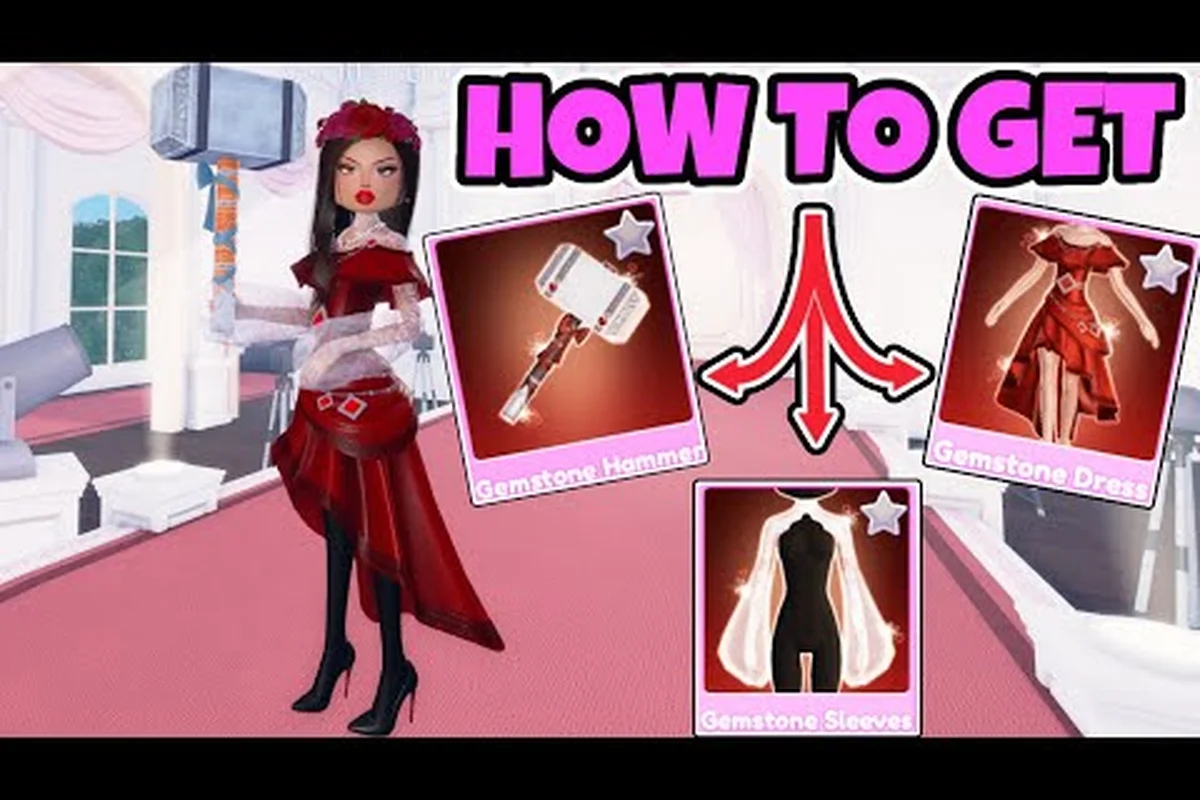
Flee the Facility Hammer Sets: Stone Pairs & Trading Values
Master Flee the Facility hammer sets with gemstone pairings to score high-value trades, dodge scams, and check series worth fast.
Flee the Facility Trading Guide: Values & Fair Deals
Master Flee the Facility trading with hammer and gemstone values, win-fair-lose rules, and scam-proof tips for clean, balanced deals every time.

Flee the Facility How to Negotiate Trades: WFL & Fair Offers
Master Flee the Facility how to negotiate trades with sharper WFL reads, fair counter-offers, and 2026 item values that keep every deal clean.
All Articles

Flee the Facility Safe Trading Guide: Spot Scams & Verify Deals
Master scam-free trades with our Flee the Facility safe trading guide, covering red flags, value checks, and trusted steps to protect every item you swap.

Flee the Facility Underpay Guide: Set Values & Trade-Up Tips
Master the Flee the Facility underpay guide with real set values, event swing pricing, and trade-up chains that stretch your inventory's edge.

Flee the Facility How to Profit in Trades: Flips & Offers
Master Flee the Facility how to profit in trades with proven flip routes, smart offer tactics, and community trade-up moves that build inventory fast.

Flee the Facility Trade Demand Guide: Values, Etiquette & Builds
Master Flee the Facility trade demand guide tactics to read item values, follow trading etiquette, and build your dream collection without overpaying.