
Crates
How Flee the Facility crates work — Series 1 and Series 2 odds, credit and Robux pricing, and which crates are worth opening.
Introduction
Crates are the gacha engine of Flee the Facility — the slot machine that turns round-earned Credits into the hammers and gemstones that fuel the whole collection economy. The system is straightforward on the surface: buy a crate, watch the roll, hope the rarity wheel lands high. But beneath that roll sits a carefully tuned probability curve, two distinct crate series with different pools, and a pricing model that charges either Credits or Robux depending on how impatient you are. Series 1 is the original line that introduced the first hammer and gemstone skins, while Series 2 arrived with the big 2026 items update and added 64 new skins to the pool. The odds are weighted heavily toward Common, which means most unboxings are small wins, but every roll also feeds the duplicate system — and knowing how to handle duplicates is the difference between a collector who climbs the value ladder and one who bleeds Credits into the crate slot. This section explains how the crates work, what each series contains, and which crate is actually worth opening for your goals.
Crate Series Quick Guide
| Crate | Price | What's Inside |
|---|---|---|
| Series 1 | Credits / Robux | Original hammer & gemstone skins |
| Series 2 | Credits / Robux | 64 new skins from the 2026 update |
| Event Crate | Limited-time | Seasonal exclusives, event-only skins |
| Duplicate | — | Converted back to Credits |
Crate Breakdown
Series 1 Crates
The original crate line that introduced the first hammer and gemstone skins.
Series 2 Crates
The 2026 items update brought 64 new skins into a fresh crate pool.
Event Crates
Limited-time pools full of seasonal exclusives that vanish when the event ends.
Duplicate Handling
The hidden economy of duplicate skins and their conversion back to Credits.
Core Mechanics
The crate system is a probability engine wrapped in a shop. Every crate roll picks a skin from the pool with weights that favor lower rarities, so Common skins land often, Rare sometimes, Epic rarely, and Legendary almost never — with Mythic reserved for event bundles entirely outside the crate. The two series split the pool: Series 1 holds the original skins, while Series 2 added 64 new skins in the 2026 items update, and event crates add a rotating third pool of seasonal exclusives. Pricing is dual-currency: you can spend round-earned Credits, which makes crates feel free, or spend Robux for convenience — and the Credit price is balanced so that grinding a single crate takes a meaningful number of rounds. The duplicate system closes the loop: rolling a skin you already own converts it back into Credits, which both refunds a fraction of your spend and pushes collectors toward trading once they own most of a pool. Understanding the odds and the duplicate math is what separates players who enjoy crates from players who quietly lose their whole Credit bank on them.
Advantages
Crates are the heartbeat of Flee the Facility's long-term engagement. They give round-earned Credits a real purpose, turning every match into progress toward the next roll. The two series plus event pools mean there is always a new skin to chase, which keeps the collection goal fresh between balance patches. Crates also feed the trading economy directly — new skins enter the market, old skins get retired into bundles, and the constant supply gives traders something to do. The dual-currency pricing makes the system approachable: free players grind Credits, while paying players support the game, and both groups meet in the same trade lobbies. Finally, the duplicate conversion is a clever pressure valve that keeps the economy from flooding — every dupe removes Credits from circulation, which preserves the value of the skins that are actually rare.
Challenges
Crate economics are built against the player. The odds favor Common so heavily that most unboxings are worth less than the crate's price, and the duplicate conversion returns only a fraction of what you paid — so opening crates for profit is a losing game over time. The Credit price also creates a grind: a meaningful number of rounds per crate can burn out players who do not enjoy the core loop. The Robux price is a temptation that the game monetizes, and players who buy crates impulsively often walk away with a stack of commons and empty pockets. Finally, crate pools rotate without warning — an event pool can leave the shop while you are still saving, and a Series 2 skin you wanted can become untradable to obtain the moment the update shifts the meta.
Frequently Asked Questions
Which crate should I open first?+
How do crate odds work in Flee the Facility?+
Is it better to buy crates with Credits or Robux?+
What happens when I get a duplicate skin from a crate?+
Quick Tips
Never open crates with your entire Credit bank. Set a budget per session — enough for two or three rolls — and walk away when it is gone. The odds are against you on any single roll, so the discipline is what keeps the crate system fun instead of punishing.
Count your collection per series before you roll. If you own 90% of a pool, your next roll is overwhelmingly a duplicate — and the conversion refund is a fraction of the price. Save those Credits for a fresh series instead: a new pool starts dense with items you do not own, so every roll pulls value you actually need.
Buy event bundles at the fixed price the day they launch. Event skins leave the store when the window closes, and the ones from popular events trade above the bundle price afterward. The bundle is the cheapest way to reach the rarest items, but only if you buy during the event — waiting until the last day risks sell-outs and price spikes.
Watch the update changelog for crate pool changes. When a new series or event pool arrives, the market reprices overnight — old skins dip, new skins spike. Being first into the new pool with fresh Credits means you roll before demand pushes values up, and you can flip early pulls into trades while the window is still open.
Featured
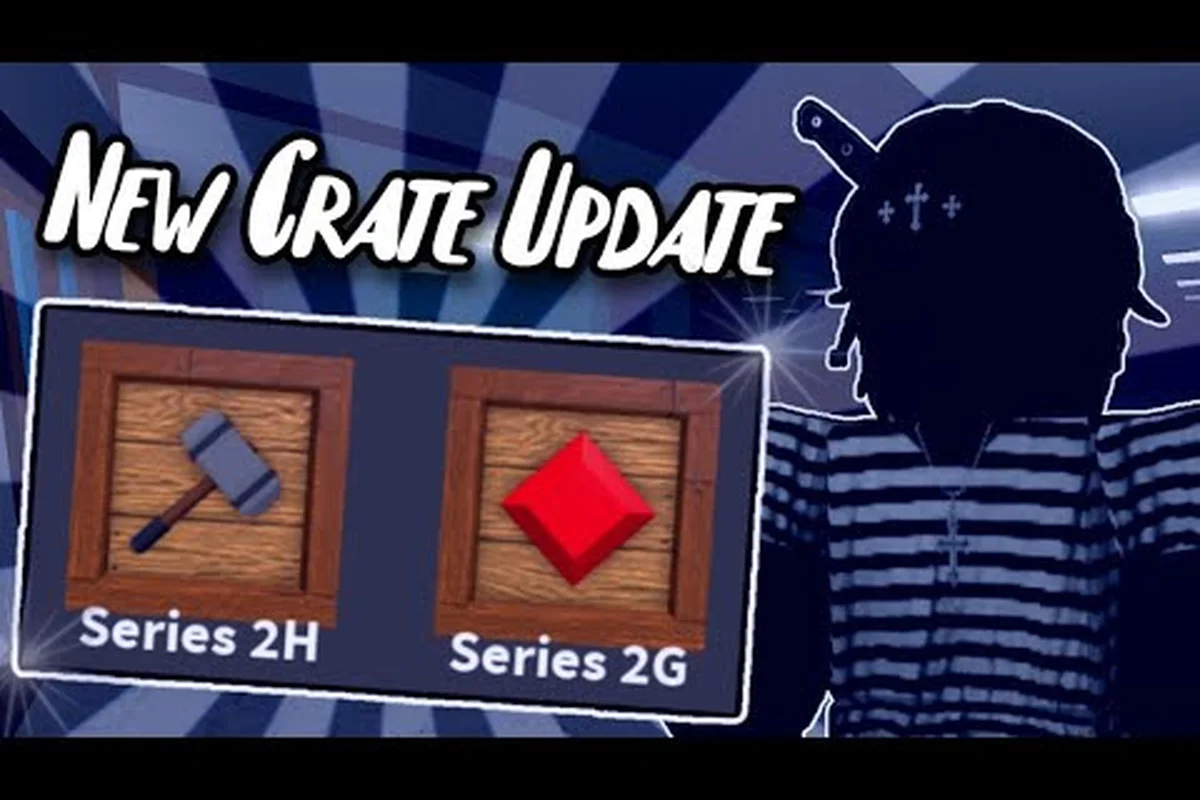
Flee the Facility Crate Guide: Prices, Drops & Best Buys
Open up this Flee the Facility crate guide covering every crate price, drop rates, and the best series to buy with credits or Robux in the 9th anniversary rotation.

Flee the Facility Crates Worth It? Best Picks for Traders
Decide if Flee the Facility crates worth it for your wallet, with anniversary and summer event picks, duplicate penalties, and the best crates for trading flips.

Flee the Facility What Do Crates Give: Rarity & Luck Guide
Learn Flee the Facility what do crates give with a full rarity breakdown, luck mechanics, farming routes, and opening tips that stretch every credit further.
All Articles
Flee the Facility How Many Crates Per Credit Guide
Learn exactly how many crates you get per credit in Flee the Facility, comparing Series 1 and Series 2 prices plus refresh timing to stretch your budget.
Flee the Facility How to Get Credits for Crates Fast
Stack credits the smart way with this Flee the Facility how to get credits for crates breakdown, covering odds, Series 2 item lists, and trade value.
Flee the Facility Epic Crate Items: Legendary Rewards & Costs
Discover Flee the Facility epic crate items, compare legendary crate rewards, and find exact credit and Robux costs before you unbox.
Flee the Facility New Crates Update: Values & Costs
Master the Flee the Facility new crates update with current item values, credit costs, and which rare drops to chase before you spend.